


Nigeria is set to reclaim one of African football’s biggest stages as the country prepares to host both the 2026 CAF Awards and the 48th CAF Ordinary General Assembly after four consecutive editions of the awards ceremony were staged in Morocco.
Often described as the “Oscars of African football,” the CAF Awards will return to Nigeria for the first time since 2017, marking another major moment for the country’s sporting profile on the continent.
Nigeria has previously hosted the prestigious ceremony multiple times: in Lagos in 2008 and 2013 and in Abuja in 2015 and 2017.
This time, the country will split hosting duties between its two major cities in what many see as an effort to showcase both Nigeria’s football heritage and growing event infrastructure.
The 48th CAF Ordinary General Assembly is scheduled to be held in Abuja in October 2026. The gathering will bring together representatives from all 54 African football associations alongside top FIFA officials to discuss key football matters affecting the continent.
Two months later, Lagos will host the 2026 CAF Awards in December — a glamorous ceremony expected to honour the continent’s best players, coaches, clubs, and national teams.
Major categories expected on the night include African Player of the Year for both men and women, Coach of the Year, and National Team of the Year.
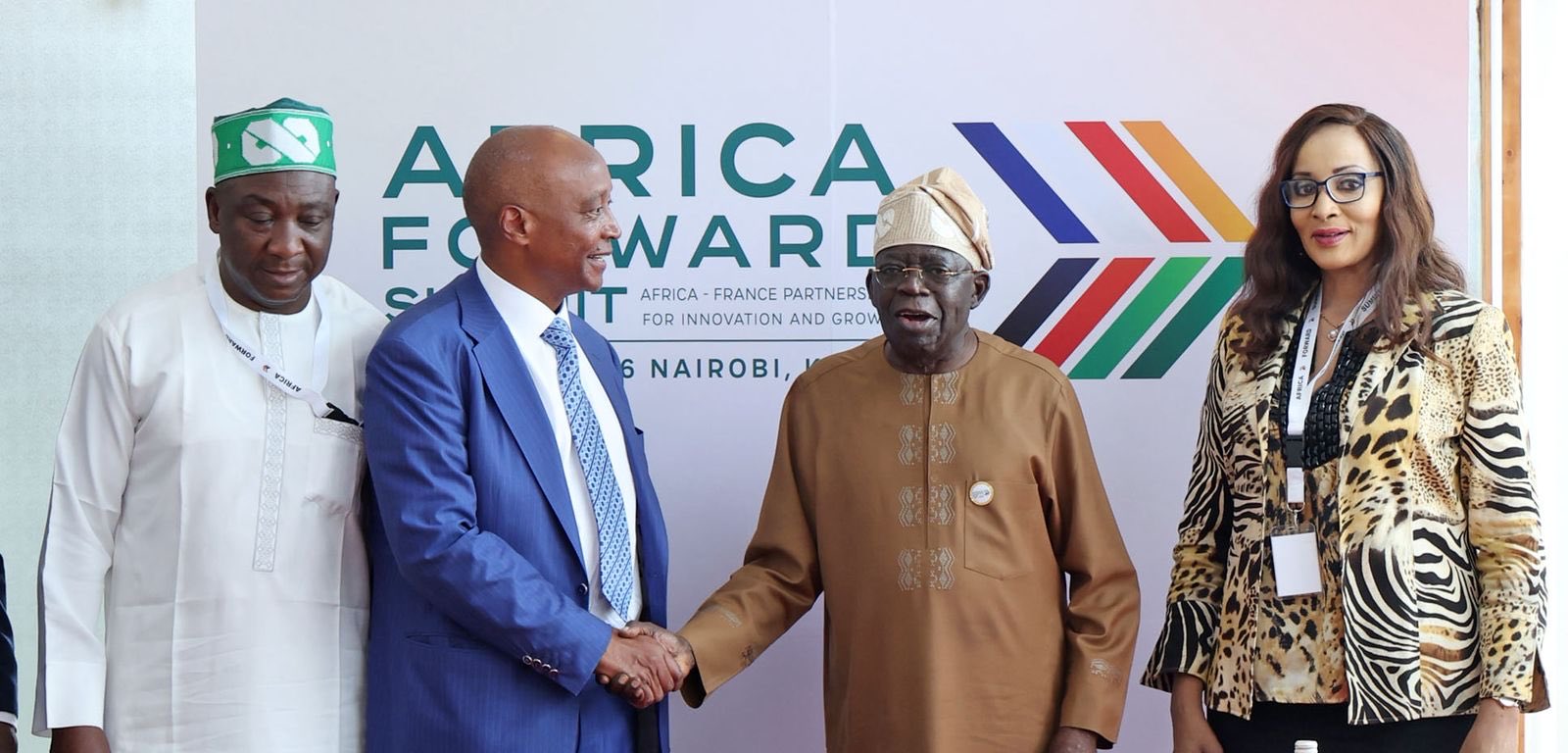
The successful hosting bid reportedly received approval from Bola Ahmed Tinubu following discussions with Patrice Motsepe during the Africa Forward Summit held in Nairobi in May 2026.
Nigeria’s delegation at the talks included Ibrahim Gusau, former Nigeria Football Federation president Amaju Pinnick, and Minister of Foreign Affairs Bianca Odumegwu-Ojukwu.
Beyond the glamour of the awards night, many fans and football stakeholders see the hosting rights as an opportunity to reignite interest in Nigeria’s football ecosystem, which has faced years of criticism over infrastructure challenges, poor administration, and underinvestment.
The country has not hosted a major FIFA tournament since the 2009 FIFA U-17 World Cup, where Nigeria finished runners-up after losing 1-0 to Switzerland in the final.
With the CAF Awards now returning to Lagos during the festive “Detty December” season, expectations are already building around what could become one of the biggest entertainment and sporting moments on the African calendar in 2026.
Many Nigerian fans will also be hoping the ceremony delivers something even more memorable — the return of a Nigerian player to the top of African football’s podium.