


FIFA has officially unveiled a stacked entertainment lineup for the 2026 FIFA World Cup, confirming performances across its three host nations, Mexico, Canada, and the United States, alongside the tournament’s first-ever halftime show at a World Cup final.
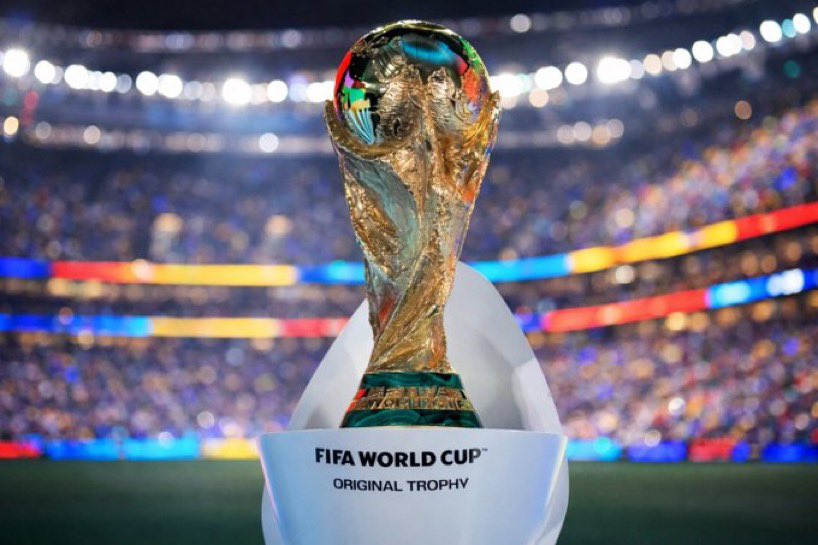
The competition, which runs from June 11 to July 19, 2026, will open with a historic triple-ceremony format, as each host country stages its own opening celebration before matches begin.
-
Mexico opening ceremony
The Mexico City ceremony will kick off proceedings at Mexico City Stadium, featuring a strong blend of Latin music heavyweights and regional stars.
Confirmed performers include:
Alejandro Fernández, Belinda, Danny Ocean, J Balvin, Lila Downs, Los Ángeles Azules, Maná, and Tyla.
FIFA says the showcase will highlight Mexican heritage through music, dance, Indigenous influences, and modern cultural expression.
-
Canada opening ceremony
In Toronto, the opening ceremony will take place just before kick-off, with a lineup designed to reflect the country’s multicultural identity.
Performers include:
Alanis Morissette, Alessia Cara, Elyanna, Jessie Reyez, Michael Bublé, Nora Fatehi, Sanjoy, Vegedream, and William Prince.
The show will also feature a creative visual theme built around a mosaic-inspired version of the World Cup trophy.
-
United States opening ceremony
The U.S. ceremony in Los Angeles is arguably the most globally diverse, featuring a mix of pop, Afrobeats, K-pop, and Latin music stars.
Confirmed acts include:
Katy Perry, Future, Anitta, LISA, Rema, and Tyla.
The performance will run 90 minutes before kickoff and is expected to combine live music with large-scale visual storytelling.
-
World Cup final halftime show
The biggest talking point remains the historic first-ever halftime show at a World Cup final, scheduled for July 19, 2026, at the New York/New Jersey Stadium.
Madonna, Shakira, and BTS.
The show will be curated by Coldplay’s Chris Martin and produced in partnership with Global Citizen, supporting the FIFA Global Citizen Education Fund, which aims to raise $100 million for education and youth football development worldwide.
With artists spanning continents, genres, and generations, FIFA’s 2026 entertainment lineup is already shaping up as one of the most ambitious in sporting history, turning the World Cup into not just a football spectacle but a global music stage as well.