


Nigerian singer KCee has opened up about a painful part of his journey in the music industry, revealing how early career award snubs once left him deeply hurt before eventually reshaping how he views success.
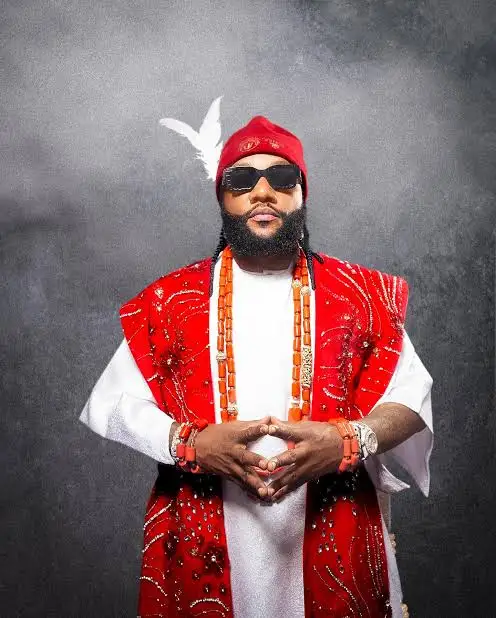
Speaking on the Afrobeats Intelligence Podcast, the artist, born Kingsley Chinweike Okonkwo, reflected on a time when he felt unseen despite putting in consistent work and building a growing fanbase.
As he put it: “I grew up in an industry that wasn’t fair to me. There wasn’t any attention given to me at any moment. I was doing a lot that the industry wasn’t recognising.”
He went further to explain how emotionally draining it became at the time: “The fans were the ones who were behind me. I did a lot of work; they were not nominating me for awards. And I cried; I was pained.”
Looking back, KCee said things only began to shift after his split from his former music partner, a period that eventually led to a new phase in his career. Although he released several songs afterwards, it was his 2013 hit Limpopo that became a breakthrough and turning point.
Describing that moment, he said: “When ‘Limpopo’ came, oh, I was in tears. I was like, no, God has answered my prayer. He took me to the global market straight. After all the years I’ve worked with Presh, that’s like the biggest record I’ve ever done.”
That experience, he explained, completely changed how he now approaches validation in the industry.
“Right now, when I win awards, or you don’t nominate me, I don’t care. I prefer the rewards to the awards.”
Today, KCee says he’s more focused on impact than trophies, pointing to the success of his 2024 track Ojapiano as proof that his music still resonates widely without traditional industry backing. He noted how quickly the song caught fire online, especially on TikTok.
“I dropped ‘Ojapiano’ like today, the next day, it was doing 120,000 videos on TikTok in one day. And it happened for seven days non-stop. That’s organic. The white people were vibing to it,” he said.
From feeling overlooked to finding viral success and renewed confidence, KCee’s story reflects a full-circle shift—where validation now comes more from the audience than the award stage.