


Grammy-nominated Afrobeat musician Seun Kuti has claimed he has spent over a decade on the fringes of Nigeria’s mainstream music space, alleging he was effectively blacklisted because of his outspoken style.
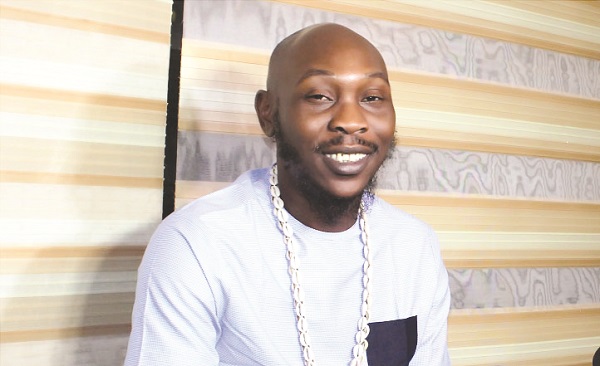
Speaking on a recent episode of the Selah Meditate podcast, the son of Afrobeat legend Fela Kuti argued that his kind of music, rooted in social commentary, has long faced resistance at home.
According to him, the influence of his father and other conscious musicians once made authorities wary of the power music could wield, prompting a shift in support toward less politically vocal artists.
“The impact of Fela and his contemporaries who spoke truth to power sacred the government. They made the government realised the power of artistry. So, the government invested more in artists who don’t make conscious music than artists who sing about realities.
“When I am in Nigeria, I don’t fear to say whatever I want to say. That is a lot of people are saying that I should be cancelled. I have been cancelled for about 13 years now after I performed conscious music at former Lagos State Governor Ambode’s event. Even before then, my music was heavily restricted.
“I have been cancelled for le think I am not cancelled because I am doing well. Nigeria has cancelled me long time but Nigeria is just like a really small percentage of my market. So, being cancelled doesn’t really affect me.”
Reflecting on his experience, Seun Kuti maintained that the alleged blacklisting has had a limited impact on his overall career, pointing out that his audience extends far beyond Nigeria.
He added that many artists worry about being sidelined locally because the Nigerian market forms the core of their fanbase, a pressure he says does not weigh on him in the same way.
His remarks have since reignited conversations about creative freedom, industry politics, and the place of conscious music in today’s Afrobeats landscape.
❝I’ve been cancelled now for like 13 years…❞
– Seun Kuti pic.twitter.com/OocMFMYccF
— @𝗼𝗻𝗲𝗷𝗼𝗯𝗹𝗲𝘀𝘀𝗯𝗼𝘆 (@OneJoblessBoy) May 4, 2026