


-
Davido Explains World Cup Protest, Says Silence Won’t End School Kidnappings
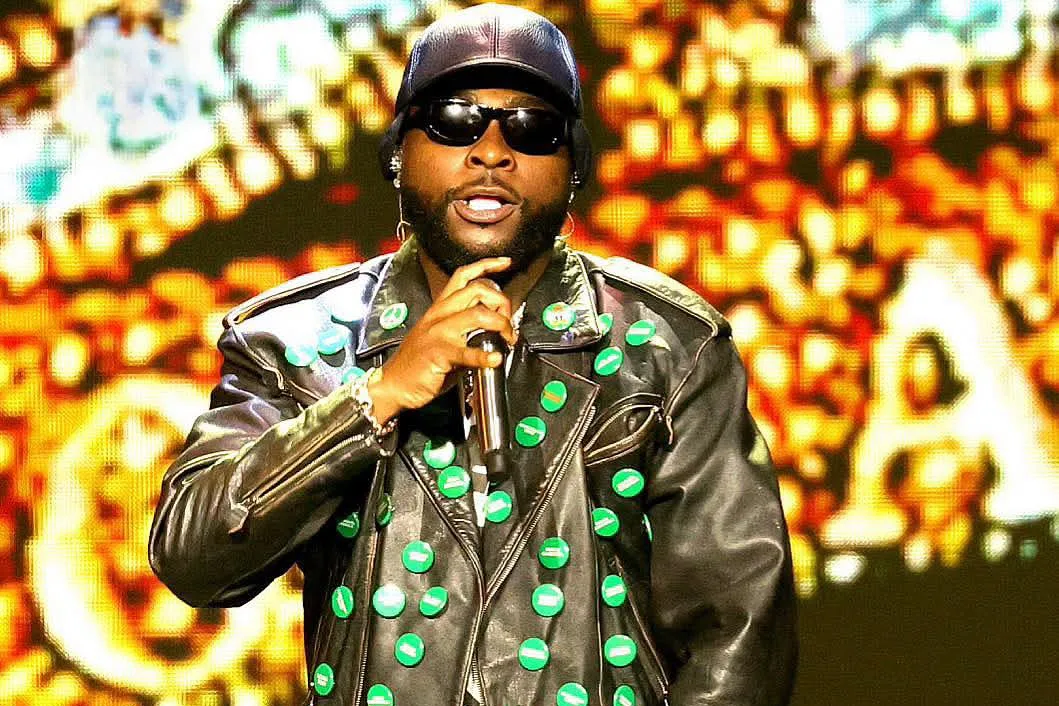
Afrobeats superstar Davido has opened up on the decision to turn one of the world’s biggest sporting events into a platform for social advocacy, revealing why he highlighted the kidnapping of schoolchildren in Nigeria during the 2026 FIFA World Cup.
Speaking in a recent interview with the BBC, the award-winning singer said he felt compelled to draw international attention to the country’s security crisis, insisting that global visibility should be used to amplify the voices of vulnerable Nigerians.
During his appearance at one of the World Cup side events in the United States, Mexico, and Canada, Davido performed wearing a black leather jacket bearing the names of children reportedly abducted in the Oyo school kidnapping incident. The symbolic outfit quickly became one of the most talked-about moments of his performance.
His decision divided public opinion. While many applauded the singer for using his international platform to spotlight the growing insecurity affecting communities across Nigeria, others argued that such issues should not have been showcased before a global audience. Among the critics was popular Hausa praise singer Dauda Adamu Kahutu, widely known as Rarara, who questioned Davido’s patriotism.
Davido, however, rejected the argument that the country’s image should take priority over the safety of its citizens, maintaining that remaining silent was not an option.
“A lot of people don’t really want to talk about what goes on in my country (Nigeria) simply because they want to protect the image, but there’s no image to protect if the little kids are being kidnapped,” Davido said, strongly communicating his stance.
“As much as I was happy to do the World Cup, we also have to understand that things are going on back home in our country, which we have the power to let the world know through our own means. My own means is music and performances, so I used my platform to project what is going on.”
The singer’s remarks reinforce his belief that entertainers have a responsibility to use their influence beyond music, particularly when issues affecting ordinary citizens demand wider attention.
His World Cup statement has continued to fuel conversations about the role of public figures in speaking out on national issues and the balance between patriotism and advocacy.
View this post on Instagram