


Nigerian rap icon MI Abaga has alleged that a considerable number of artists in the country rely on funds sourced from internet fraud, popularly called “Yahoo Yahoo.”
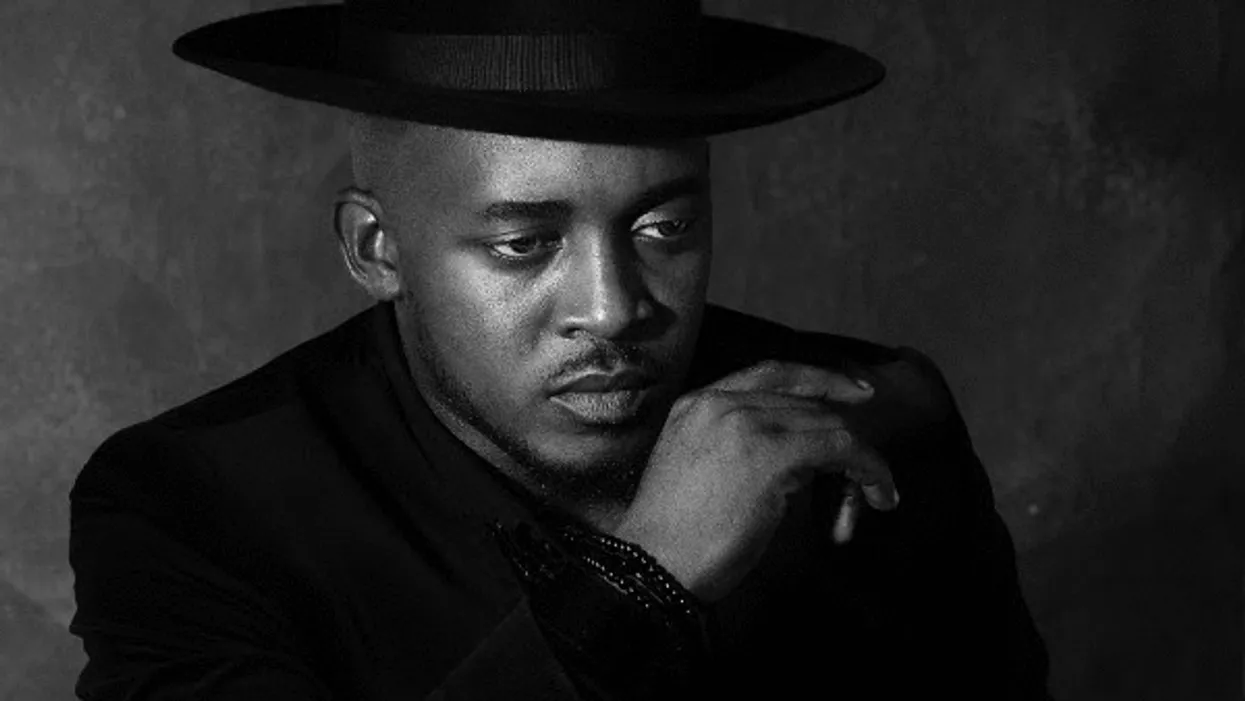
In a recent interview, MI described the connection between the entertainment industry and illicit financing as “an indictment” on the nation. “There’s a lot of controversy when people talk about Yahoo Yahoo because a lot of artistes, that is the funding that they have,” he stated.
According to him, the dependence on questionable local money and foreign investment highlights the absence of a sustainable and legitimate funding system for Nigeria’s creative sector.
“What I’m trying to say is that it’s an indictment on our country that we have such talented musicians and that the major funding for the industry comes from the West and this other industry,” he added.
“A lot of artists, that’s the funding that they have…”
M.I Abaga talks about how internet fraudsters fund a major part of the music industry. pic.twitter.com/M84RuxeDJ4
— @𝗼𝗻𝗲𝗷𝗼𝗯𝗹𝗲𝘀𝘀𝗯𝗼𝘆 (@OneJoblessBoy) August 12, 2025
To illustrate his point, the rapper shared a hypothetical situation:
“It’s an indictment. It shows that something is wrong. Hopefully, we can do better. Think about it: let’s even say I’m a Yahoo boy — I’m not — but let’s say I was and I just made ₦100 million. Okay, I’m now a criminal who made ₦100 million but still don’t have to give it to an artiste. I can blow it however I want, or I can put it in real estate.”
MI stressed that the reality is even more telling for many artists; wealthy young individuals with sudden access to large sums of money remain one of the few available sources of investment.
“What I’m trying to say is that the fact that it goes to artistes and that is one of the major ways that artistes can get investments into them… there’s no place else. It happens to be other young people who just happen to have money.”
While society may condemn the illegal origins of such funds, MI noted that some of these benefactors simply want to support their talented peers, a reality that reflects deeper issues within Nigeria’s economic and cultural structures.