


Indigenous rap is having another loud moment, and at the centre of it is Zoro, who has returned with a bold double release: “Omo Igbo” and “Nzogbu,” the latter featuring Eastern heavyweight Jeriq.
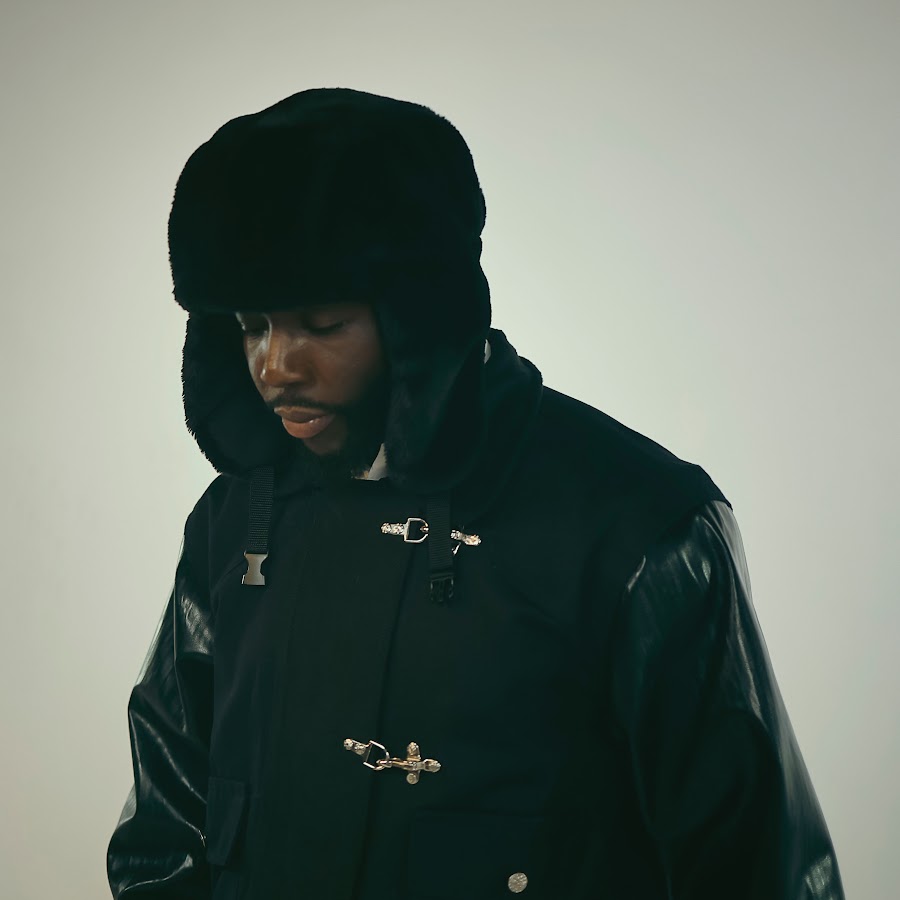
Rather than drop a single and disappear, Zoro makes a statement. One track stands as a solo declaration of identity; the other is a calculated alliance with one of the most dominant voices of the new school. Together, the releases feel less like random drops and more like a strategic reset — a reminder that Zoro still holds weight in the Igbo hip-hop conversation.
Omo Igbo (translated as “Igbo Son”) is an energetic salute to heritage, hustle, and personal wins. The production blends trap drums with the unmistakable bounce of traditional Ogene percussion, creating a sound that feels equally at home on the streets of Onitsha and global streaming playlists.
Zoro’s flow is confident and calculated. He leans into cultural references and sharp wordplay, reinforcing the identity that has defined his brand from the start. The record carries polish and maturity, but it never loses that gritty, Southeastern edge. It’s celebratory, but not boastful, more like a reminder that longevity in the game demands both pride and consistency.
If Omo Igbo is cultural affirmation, Nzogbu is pure intensity.
The collaboration with Jeriq feels symbolic. Zoro, often seen as a standard-bearer for indigenous rap’s mainstream breakthrough era, links up with the so-called crown prince of the East. The result is explosive.
The production is darker and more aggressive, with distorted basslines, pounding drums, and sharp snares. The title itself suggests force and forward motion, and the delivery matches that energy. Zoro’s seasoned cadence lays a solid base, while Jeriq injects raw urgency and hunger into the track. Their chemistry is natural, not forced like two generals from different eras agreeing to defend the same territory.
Beyond the music, the double release feels like a documentation of a cultural shift. In 2026, authenticity is currency, and Indigenous rap is no longer a niche lane; it’s a movement.
With Omo Igbo and Nzogbu, Zoro isn’t just dropping records; he’s reinforcing a bridge between veterans and new-school torchbearers. The message is clear: the Southeast rap scene isn’t fading into the background; it’s evolving, unifying, and pushing outward.
And if this release is anything to go by, the “South-East-to-the-world” slogan is no longer aspirational. It’s happening in real time.