


-
‘I’d been suffering with anxiety for a year and a half’ – Barcelona’s Ronald Araujo opens up on depression battle after break from football
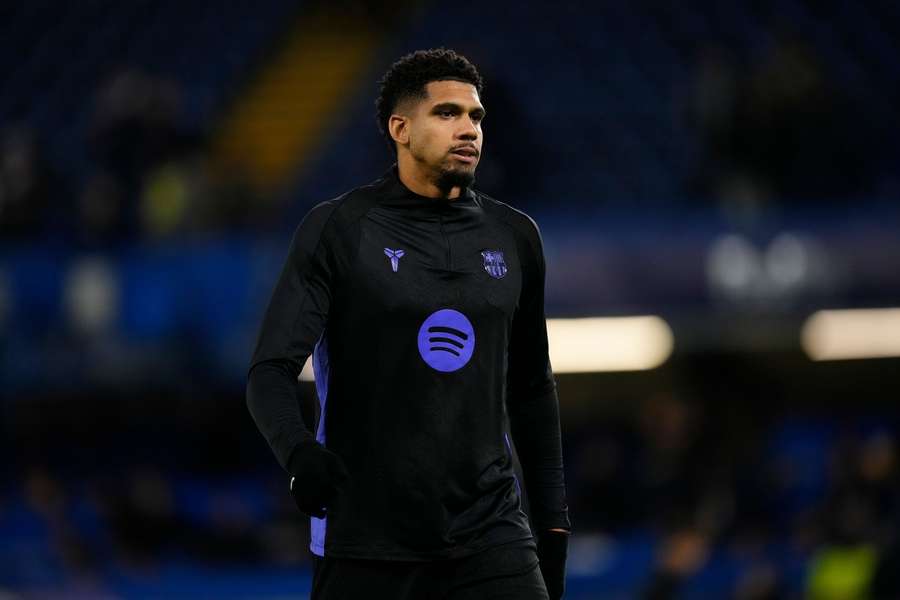
Ronald Araujo has opened up about a chapter of his life many fans never saw, one marked by anxiety, depression, and a silent battle he carried onto the pitch for over a year.
The Barcelona defender has now revealed that behind the tough, uncompromising centre-back persona was a man struggling deeply.
For 18 months, he masked his pain, pushing through matches while quietly fighting his own mind. Eventually, he says, he reached a breaking point.
Back in November, Barcelona granted Araujo “indefinite leave” from first-team duties, citing “personal reasons.” The decision came immediately after a disastrous Champions League outing against Chelsea in which he was sent off, a moment that triggered heavy criticism and, unfortunately, something far uglier.
What followed wasn’t just time away from football. It was a journey inward.
The 26-year-old travelled to Jerusalem, spending weeks in Israel on what he described as a spiritual retreat. With the blessing of manager Hansi Flick and sporting director Deco, Araujo stepped away from the noise of elite football to reconnect with his faith and prioritise his mental well-being even as Barcelona grappled with defensive struggles.
By January, he was back at the club’s training base. The return was careful and measured: solo sessions at first, then gradual reintegration with the squad before finally stepping back onto the pitch in a league clash against Elche.
Now, speaking candidly to Mundo Deportivo, Araujo has shared just how heavy the burden had become.
“I’d been dealing with anxiety for a year and a half that turned into depression, and I was playing like that,” he said. “That doesn’t help, because on the field you don’t really feel like yourself. You know your worth and what you can contribute on the field, and when I wasn’t feeling well, I knew something was wrong. That day I realised that was it, that I needed to talk to professionals and the club so they could help me.”
For Araujo, admitting vulnerability wasn’t easy. He spoke about the weight of cultural expectations and football’s ingrained machismo, the pressure to appear strong at all costs.
“You try to be strong, perhaps because of your roots, where you come from, you start to push forward, but I felt like I wasn’t okay. Not just in sports, but also in my family and personal life. I wasn’t feeling like myself, and that was when it clicked and I said: something’s wrong, I need to speak up and ask for help. I’m the type of person who keeps everything to myself, but you also have to understand that there are professionals who can help you, give you tools to know how to handle certain situations… I needed to speak up and say that something was wrong with me so I could recover.”
While the emotional strain had been building quietly, November proved to be the tipping point. The backlash after his red card against Chelsea echoed memories of a controversial dismissal against PSG in previous seasons, escalating beyond sporting criticism into personal abuse.
Araujo did not shy away from addressing the darker side of modern football culture.
“Ultimately, we are people beyond just footballers. It’s not all about money, it’s not all about fame,” he argued. “We also suffer because of the things that happen on the pitch. We are lucky to do what we do, yes, but there is the person behind it all, there are the feelings.”
The most devastating moment, however, came at home.
“I remember one day drinking mate with my wife. I saw her face change while looking at her phone and tears fell,” he recalled. “I asked her what she saw… ‘I don’t understand the evil of people, they are wishing death on our daughters,’ she told me.”
That was the moment clarity arrived. Football could wait. Healing could not.
Since seeking professional help and taking time to reset, Araujo says he feels renewed, mentally stronger and better equipped to handle the pressures that once overwhelmed him. His return has already included a goal in the Copa del Rey, but he insists the biggest victory has nothing to do with silverware.
“I think the worst is over. I’ve hit rock bottom. I’m well prepared, working with great professionals, and eager to face what’s next,” he said.
And as for his future?
“Barcelona is my home. The city is my home. The club is my home. I’ve spent almost my entire professional life here. I feel very comfortable, valued by the club and the fans. And I’m really looking forward to seeing things from a different perspective and showing what I can do, which is play. I understand that there are two worlds, a real world and a virtual world. And in the real world, I feel the support of the fans, the Barca supporters, and the club. That’s very important. I’m really eager to succeed here and win the important titles we all want.”
For Araujo, the comeback is bigger than football. It’s about survival, honesty, and learning that strength sometimes means asking for help.