


Nigerian singer Omah Lay has stirred conversation online after making bold remarks about the structure of the Afrobeats industry and the role Lagos plays in shaping it.
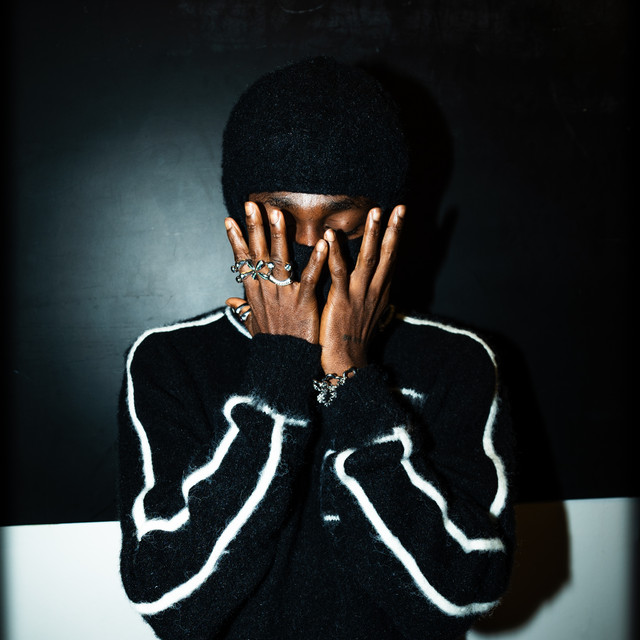
The award-winning artist recently made the comments during a listening session in London while building excitement for his upcoming third studio album, ‘Clarity of Mind,’ which he announced on Instagram will be released on April 3. The 12-track project, which has reportedly been in development for nearly two years, will arrive under his record label Keyqaad and is led by previously released songs ‘Holy Ghost,’‘Waist,’and ‘Don’t Love Me.’
The intimate event was meant to give fans and industry insiders a preview of the new music, but it ended up producing two major talking points that quickly made their way onto social media.
One moment was deeply personal. Omah Lay revealed that the excitement surrounding his Grammy nomination had been overshadowed by a difficult moment in his private life.
According to him, the end of a brief relationship, one in which he had expected a child, dampened what should have been a celebratory period in his career. For many fans who often joke that heartbreak fuels his emotional songwriting, the revelation drew a mixture of sympathy and quiet reflection.
But it was another comment during the session that sparked a wider debate.
While discussing the origins and structure of the Afrobeats scene, the singer made a striking observation about how the genre operates within Nigeria’s music landscape.
“Afrobeats is mainly Lagos. It’s mainly Yorubas. Fela Kuti is the pioneer, we all know that and he’s Yoruba. I’m from PH and you have to break into Lagos. There are only two people from PH that you know; Burna Boy and me,” he said.
The statement quickly gained traction online, with fans and commentators weighing in on the role of Fela Kuti as the genre’s pioneer and the influence of Lagos as Nigeria’s music capital. Others also pointed to the success of stars from different regions, including fellow Port Harcourt native Burna Boy.
As conversations continue across social media, Omah Lay’s remarks have once again highlighted how closely music, culture, and regional identity are intertwined in Nigeria’s ever-evolving Afrobeats scene.
View this post on Instagram