


-
“After Beethoven and Mozart, It’s Me”—Burna Boy Sparks Debate with Bold Legacy Claim
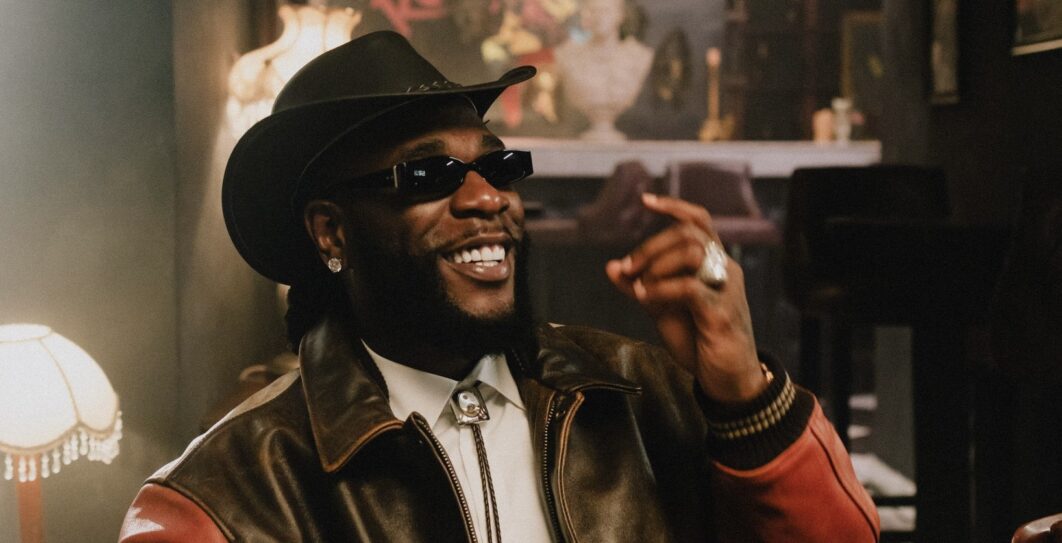
Nigerian global music icon Burna Boy has once again stirred conversation across social media with a striking declaration about his place in music history, this time placing himself in the company of classical legends.
In a now-viral Instagram Story, the Grammy-winning artist, fondly called the “Odogwu,” boldly stated:
“E suppose be Beethoven, Mozart, Handel then ODOGWU… Na the only reason why I dey always vex.”
The comment, which juxtaposes Burna Boy’s name alongside Ludwig van Beethoven, Wolfgang Amadeus Mozart, and George Frideric Handel, suggests he sees his creative legacy as worthy of historical recognition on par with the world’s most celebrated composers.
Burna Boy compares himself to the greatest classical music composers via his IG Story:
🗣️ "E suppose be Beethoven, Mozart, Handel then ODOGWU…" pic.twitter.com/RXDOw4dNLY
— 𝗔𝗟𝗕𝗨𝗠 𝗧𝗔𝗟𝗞𝗦 📀 (@AlbumTalksHQ) July 30, 2025
“Odogwu,” an Igbo term meaning “great man” or “hero,” has become a defining moniker for Burna Boy in recent years. By aligning himself with these classical music pioneers, he appears to be expressing frustration at what he perceives as a lack of full acknowledgement of his global impact and artistic contributions.
Burna Boy, known for his genre-defying sound and outspoken nature, has never shied away from asserting his dominance in the music scene. With chart-topping albums, a Grammy win for Twice As Tall, and a consistent international presence, his music has crossed borders while maintaining deep African roots.
This latest proclamation has reignited debate among fans, critics, and music scholars. Some hail the statement as a bold affirmation of African excellence and artistic confidence. Others see it as a provocative comparison, given the historical and stylistic gulf between Burna Boy’s Afrofusion sound and the classical traditions of the composers he referenced.
Still, if there’s one thing Burna Boy has mastered beyond music, it’s remaining at the center of global cultural conversations. Whether through his lyrics, performances, or unapologetic declarations, the African Giant continues to shape the narrative around African music’s place on the world stage.