


The Super Eagles’ bid for a place at the next FIFA World Cup ended painfully after Nigeria crashed out of the playoff race to DR Congo in a dramatic penalty shootout.
What was supposed to be the team’s big moment instead turned into a night loaded with tension, missed chances, and a heavy wave of disappointment for supporters across the country.
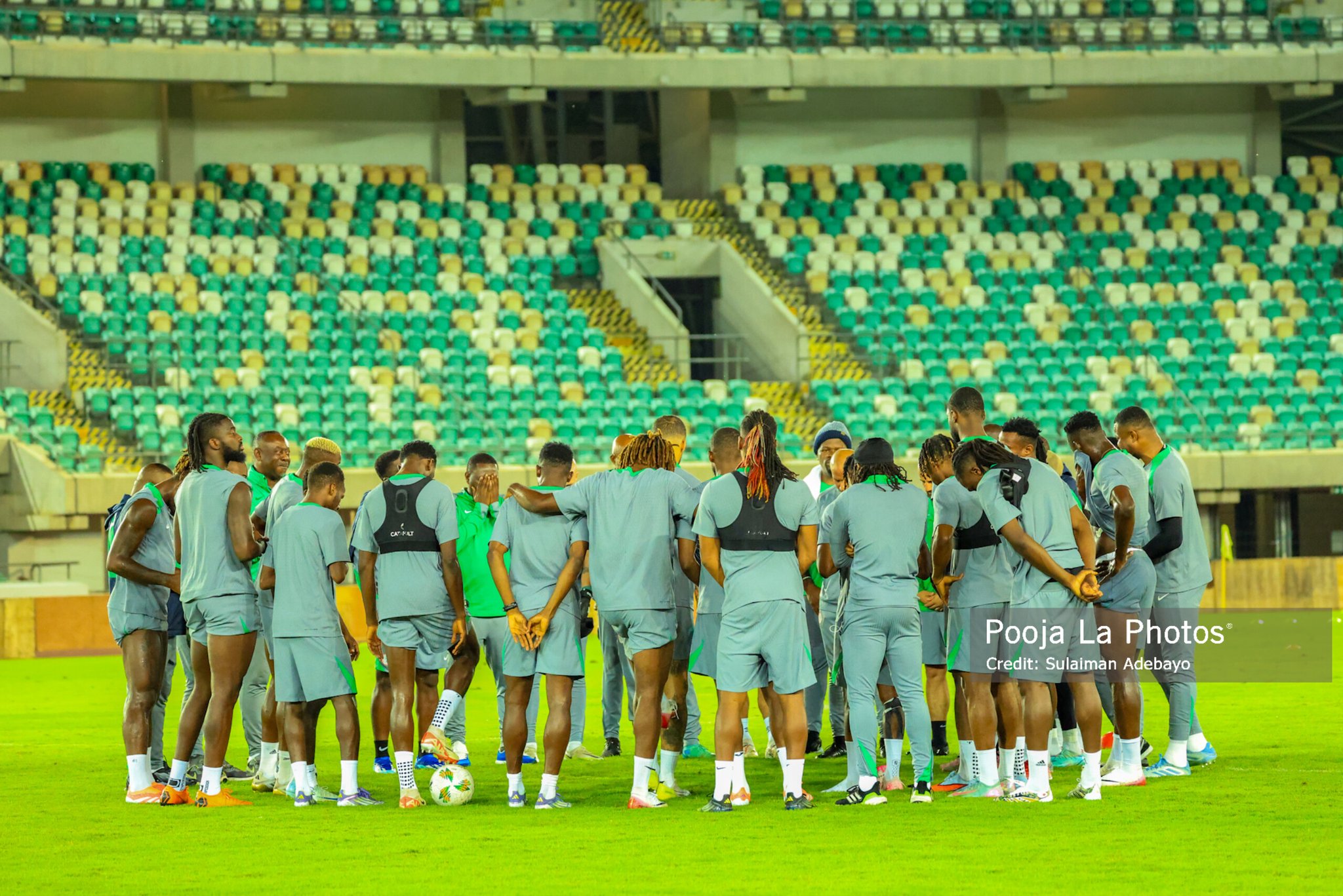
Beyond the heartbreak, the exit has once again opened up conversations about the team’s preparation, tactical direction, and the overall leadership guiding Nigerian football.
Yet, while the setback stings deeply, the road ahead demands clear decisions. With the Africa Cup of Nations drawing near and the long-term target of the 2030 FIFA World Cup looming, the Super Eagles must reset and rebuild with urgency.
-
Refocus on AFCON
Nigeria cannot afford a repeat of their last AFCON campaign, which ended with a painful defeat to hosts Ivory Coast in the final.
With barely five weeks left before the next edition kicks off, everything now hinges on proper preparation. No distractions, no avoidable mistakes.
The Nigeria Football Federation (NFF) will need to back the technical crew fully—beginning with arranging high-quality friendly matches to sharpen cohesion and test tactical options before the group stage begins.
-
Start Early for the 2030 FIFA World Cup
The 2030 World Cup will be historic, marking 100 years since the first tournament hosted in Uruguay. If Nigeria hopes to be a serious contender, work must start now.
A key part of that preparation is leadership. Regardless of what happens at AFCON, the NFF needs to begin the search for a new coach to replace Eric Chelle. The Super Eagles require a top-tier manager—one with a strong blueprint for qualifiers, AFCON cycles, and a long-term project leading up to 2030.
Clear expectations must be set, and the vision must be consistent across all competitions.
-
Begin Scouting for the Next Generation
A sizeable portion of the current squad is already approaching their late 20s, which means many will be in their mid-30s by the next World Cup. That reality alone makes the scouting process urgent.
The next phase should involve gradually introducing younger talents while maintaining a healthy balance with experienced players. Successful football teams thrive on a blend of both energy and renewal mixed with on-field maturity.
Early integration will allow these emerging players to adapt, grow, and help form a squad capable of competing at the highest level over the next decade.