


South African artist, DJ, composer and curator Mo Laudi reflects on the relationship between Afro House, cultural memory, and the dancefloor, while discussing his sound work Congo Square in D# Minor, his latest remix of Sea Lion Woman and the ideas shaping his wider creative practice.
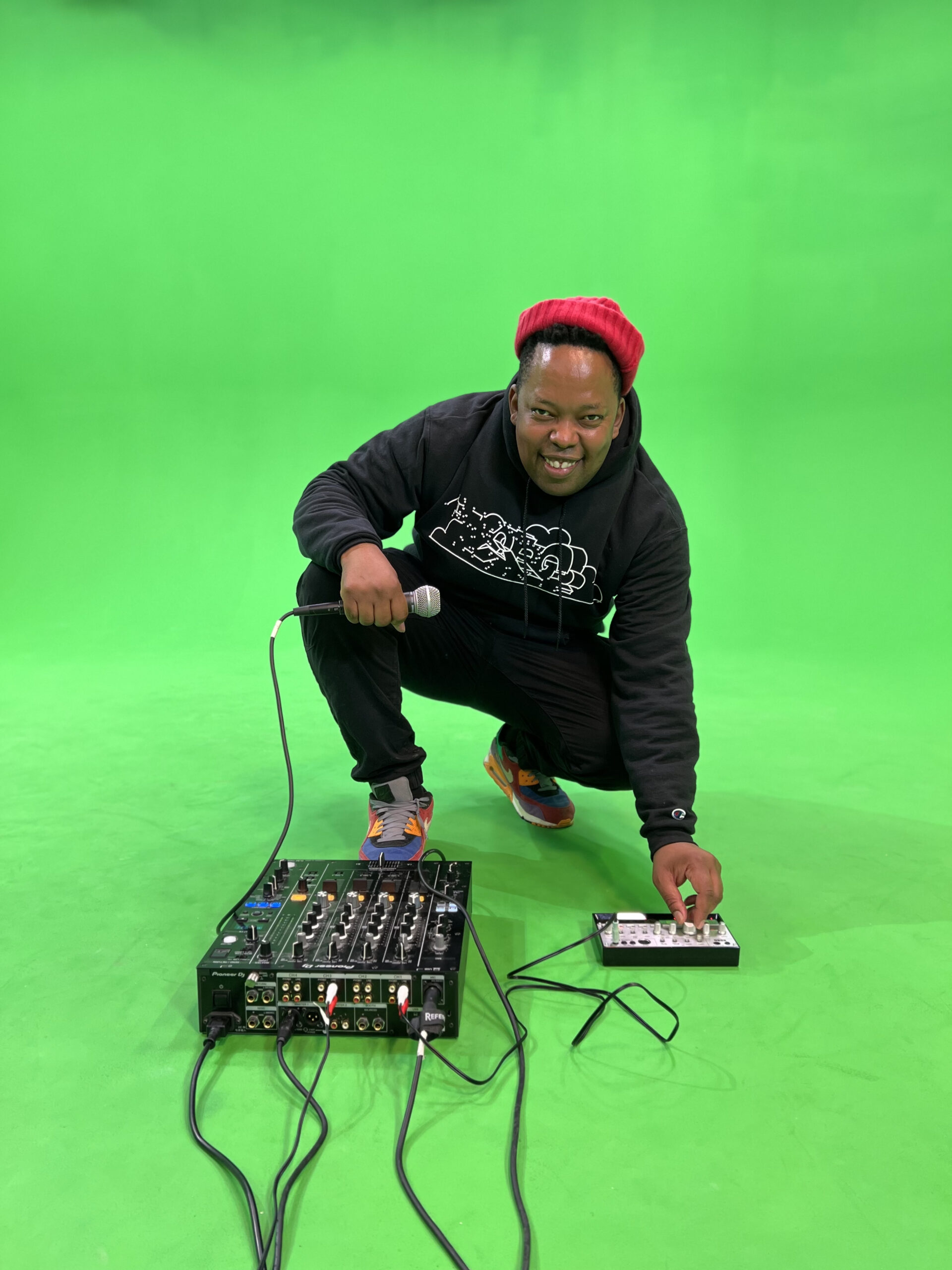
For Mo Laudi, music is about much more than rhythm. It is a way of bringing people together, preserving memories and opening conversations about history, identity and belonging.
The South African artist has built a creative practice that moves between DJing, music production, composition and curating. Across these different disciplines, sound remains a common thread, connecting the energy of the dancefloor with the deeper cultural and historical questions explored through his work in contemporary art.
His approach is particularly evident in Congo Square in D# Minor, a composition that brings together musical traditions and histories connected to Congo, South Africa, New Orleans and France. Through brass-band recordings, archival material and reflections on resource extraction, the piece explores how instruments and musical traditions carry the experiences of the communities that give them life.
That relationship between sound and memory also runs through his work in electronic music. His remix of Sea Lion Woman, originally interpreted by Kananayé, brings South African Afro House and 3-step influences into conversation with a song rooted in African-American musical history.
Mo Laudi recently travelled to Lagos for the FESTAC+50 research residency with the African Artists’ Foundation. His sound work is featured in Nsi: After the Harvest, an exhibition exploring land, labour and the legacies of resource extraction, running at the foundation through 22 November 2026.
In this conversation with Mp3Bullet, Mo Laudi discusses the experiences that shaped his musical identity, the importance of preserving cultural context as African electronic music reaches wider audiences, and why he sees the dancefloor and the exhibition space as places where memory, knowledge and community can meet.
-
Beyond the Dancefloor: The Many Sides of Mo Laudi
Mo Laudi’s work spans several creative disciplines, but he does not see DJing, producing, composing and curating as separate pursuits. Each offers a different way of directing attention and shaping how people experience sound.
“I see them as different ways of organising attention,” he explains. “A DJ set shapes how bodies meet in real time; production lets me build rhythm and texture closely; composition can hold a longer historical or spatial argument; and curation creates relationships between artists, works and publics.”
For him, the connection between these practices lies in the possibilities they create for people to listen, interact and share experiences. Whether he is building a set for a dancefloor or developing a sound installation for an exhibition, the underlying intention remains connected.
“Across all of them, I am asking how listening can make a space more generous,” he says. “I want people to understand that the dancefloor and the exhibition are not separate worlds in my practice. Both can carry memory, knowledge and community.”
It is an approach that places music within a broader cultural conversation without losing sight of its ability to move people. Sound can be something to dance to, but it can also be a way of understanding the world and the people who inhabit it.
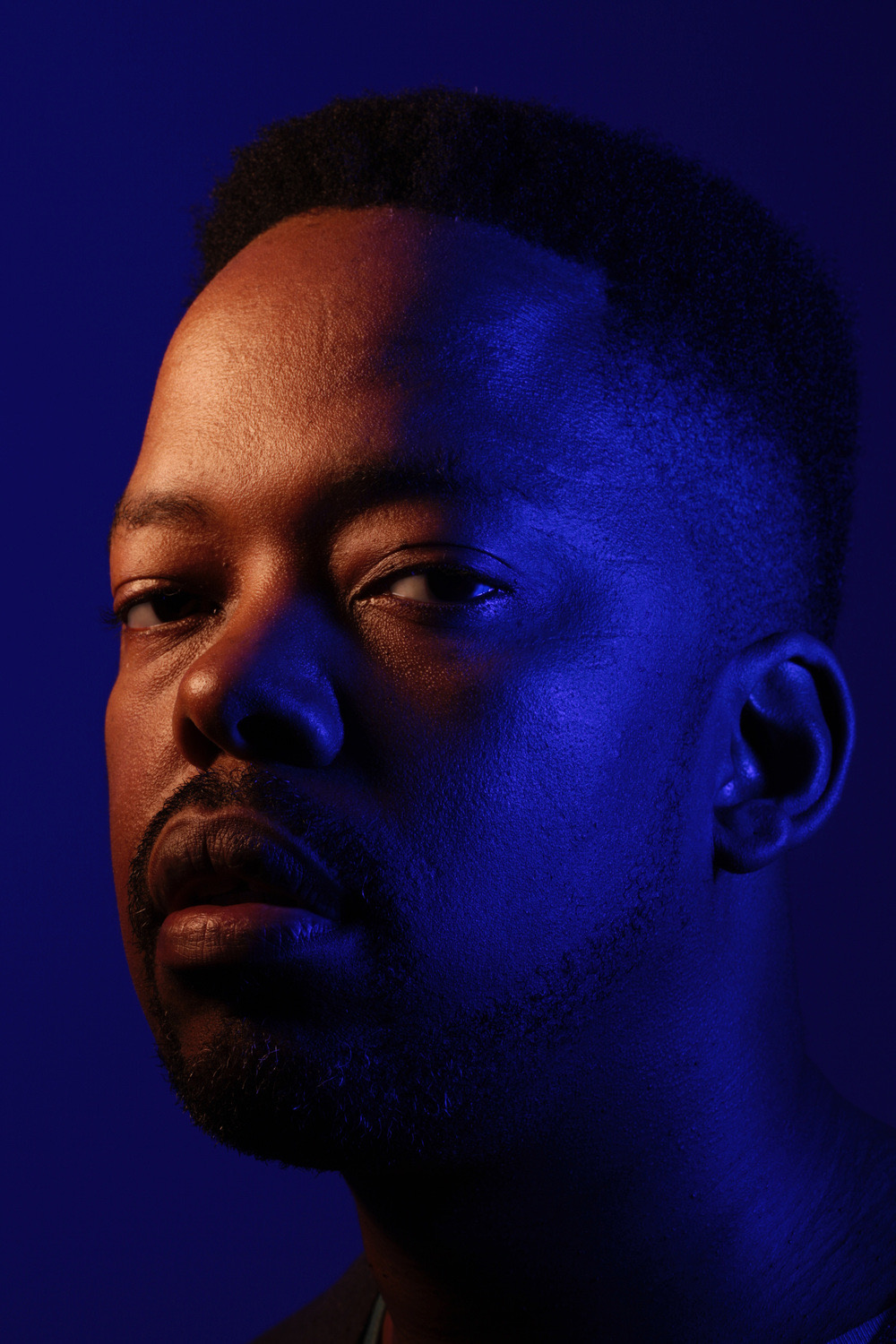
-
Congo Square in D# Minor: Where Music Meets History
One of the clearest expressions of this philosophy is Congo Square in D# Minor, a 2021 composition developed following a commission from artist Sammy Baloji, in dialogue with his sculptural project Johari – Brass Band at the Grand Palais in Paris.
The project opened a path for Mo Laudi to explore the connections between Congo, South Africa, New Orleans and France through musical archives and brass-band traditions. It also raised questions about the relationship between the materials used to make instruments and the histories of the places from which those materials are extracted.
“His preparatory research and the hours of music archives opened a route between Congo, South Africa, New Orleans and France,” Mo Laudi recalls.
He brought this research into conversation with his own archive, considering how brass instruments can carry histories of extraction while becoming central to the cultural and spiritual lives of communities.
“I connected that material with my own archive, following how brass instruments, often made from metal extracted from African mines, carry histories of extraction, and how communities made them their own through churches, funerals and celebration.”
The composition draws on several layers of sound, including brass traditions, recordings of the Congo River, funeral processions and spoken reflections on the economics of resource extraction. Rather than treating these elements as background material, Mo Laudi brings them together to create a conversation between history, place and lived experience.
“I wanted those histories to meet through sound rather than illustrate them from the outside,” he says.
That distinction is important to the work. Instead of simply presenting historical information, Congo Square in D# Minor invites listeners to experience the connections between music, labour, memory and the movement of resources across borders.
-
The Early Sounds That Shaped His Musical Identity
For Mo Laudi, the relationship between music and collective memory began long before his work entered galleries and international art spaces.
He remembers the brass bands at Ga Molepo Church and the Zion Christian Church (ZCC) as some of his earliest experiences of brass-band music in South Africa. Their energy, rhythm and ability to bring people together left a lasting impression.
“They played with gusto and had such a groove about them,” he says.
Those experiences introduced him to the ways music can create a shared sense of belonging through repetition, movement, breath and call and response. They also helped shape his understanding of rhythm as something rooted in community rather than simply a musical technique.
His musical influences extend to dinaka/kiba, the traditional music of the Sotho people, as well as the ways African spiritual practices and Christian worship can intersect.
“I still hear rhythm as a way of remembering and making relation, not as decoration,” he explains.
These early influences continue to inform his work, providing a foundation for the way he approaches both traditional musical references and contemporary electronic production. They also help explain why cultural context remains important to his understanding of Afro House and the wider sounds emerging from African musical traditions.
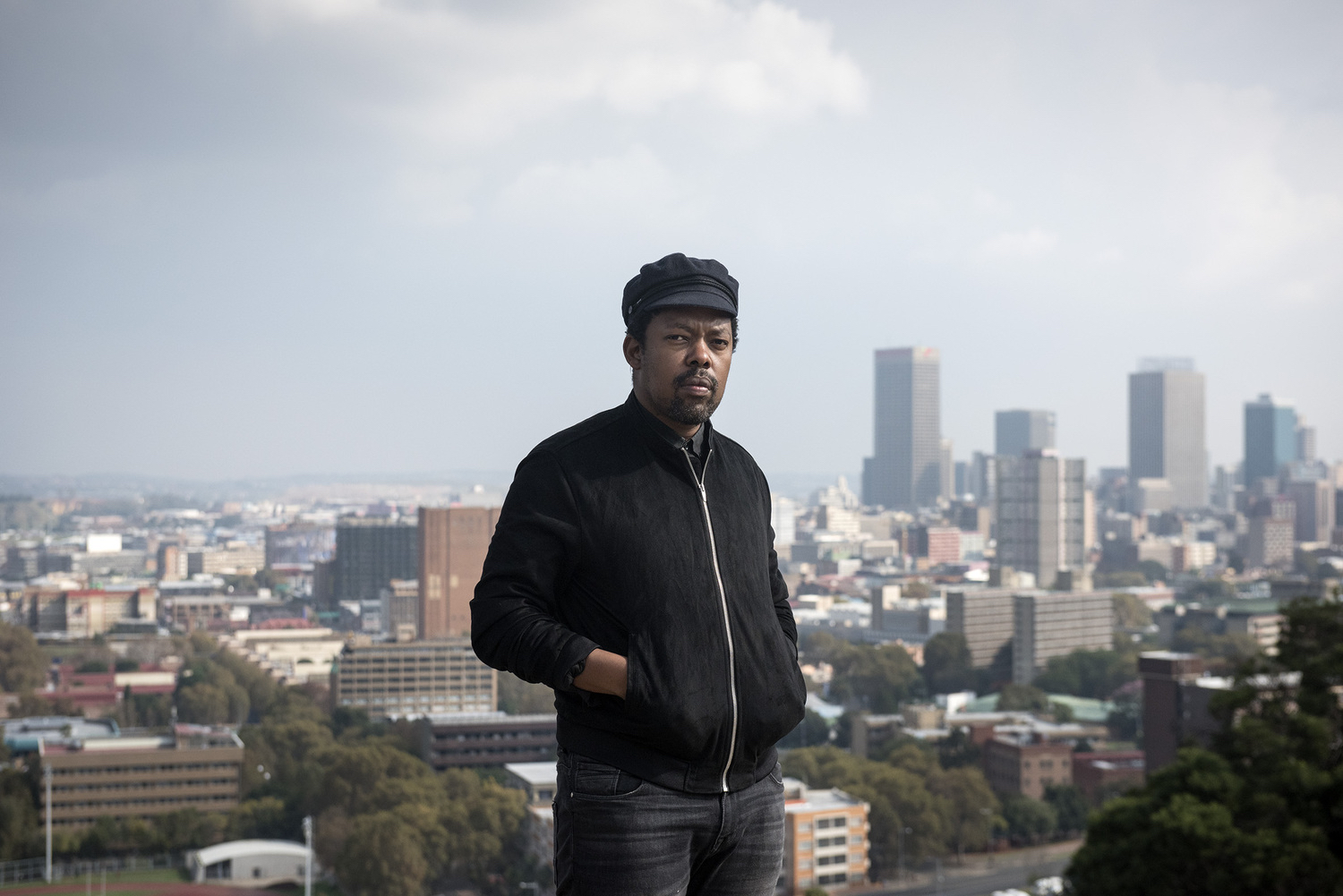
Music, Cultural Memory and Nsi: After the Harvest
The questions explored in Congo Square in D# Minor also connect with Nsi: After the Harvest, the exhibition in Lagos featuring Mo Laudi’s sound work.
The exhibition considers land, labour and the lasting consequences of resource extraction. Within this context, sound offers a way to connect material histories with the people and communities whose experiences are often missing from official records.
“Music can hold what an official archive often leaves out: accent, breath, grief, celebration, labour and the knowledge of how people gather,” Mo Laudi says.
For him, the significance of music lies partly in its ability to preserve forms of knowledge that cannot always be captured through written documents. The sound of an instrument, the rhythm of a procession or the voices of a community can carry traces of history that remain deeply personal and collective at the same time.
In Nsi: After the Harvest, this relationship becomes particularly meaningful. The material history of brass instruments can be considered alongside the cultural traditions through which people have made those instruments their own.
“Sound can connect the material history of an instrument to the communities that give it voice,” he explains.
Mo Laudi is careful not to suggest that music can undo the violence associated with extraction or historical injustice. Instead, he sees its value in creating opportunities for reflection and connection.
“It does not resolve violence, but it can slow us down, bring different memories into the same room and make difficult history felt as a relationship rather than a distant fact.”
His contribution to the exhibition reinforces a central idea running through his work: listening can be a way of engaging with history, not simply observing it from a distance.
-
Bringing Cultural Heritage Into Contemporary Electronic Music
Although Mo Laudi’s work often draws on historical material, his approach is not about preserving musical traditions in a fixed form. He sees heritage as something that continues to evolve through the people who carry it forward.
“I do not treat heritage as a fixed style that must be preserved behind glass. It is living knowledge,” he says.
That perspective shapes the way he approaches electronic music. Rather than treating traditional sounds as textures to be added to a production, he believes artists have a responsibility to understand their origins and acknowledge the communities and histories that shaped them.
“My responsibility is to know where sounds come from, acknowledge the communities and histories that shaped them, and avoid turning them into anonymous texture.”
For Mo Laudi, experimentation and cultural preservation are not opposing ideas. Electronic production can offer new possibilities for rhythm, atmosphere and movement while remaining connected to the traditions that inform it.
“Experimentation becomes a continuation of that knowledge,” he explains.
On the dancefloor, this can mean bringing archival influences, polyrhythms and electronic pressure together in ways that allow the music to move forward without losing sight of its cultural roots.
It is a perspective that speaks to the ongoing development of Afro House and related genres, where innovation remains central but questions of identity, ownership and cultural recognition are increasingly important.
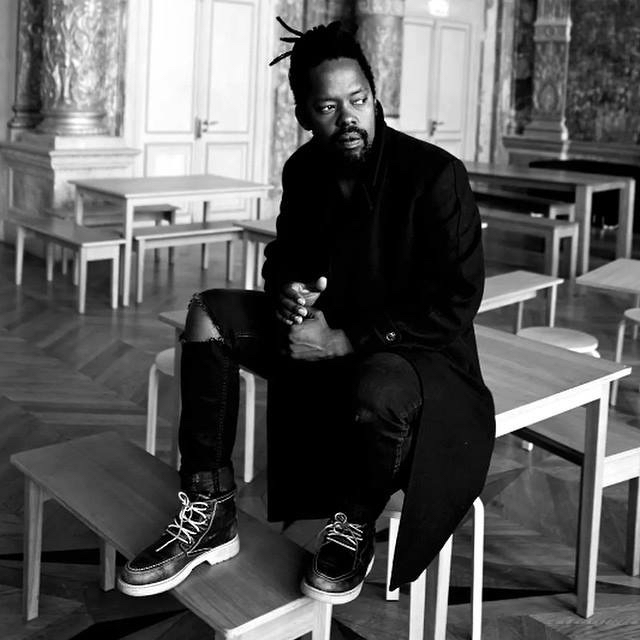
-
Sea Lion Woman — Mo Laudi Touch: A Personal Connection to Nina Simone
That balance between musical history and contemporary dancefloor energy is also evident in Sea Lion Woman — Mo Laudi Touch, his reworking of a song interpreted by Kananayé.
The connection began with Mo Laudi’s discovery of Nina Simone, which came through an unexpected route: Lauryn Hill’s rhyme on the Fugees’ “Ready or Not”.
“My connection to Nina Simone began with Lauryn Hill’s rhyme on the Fugees’ ‘Ready or Not.’ I was known as Capone then, so that line caught my attention and led me deeper into Simone’s music,” he recalls.
When Kananayé invited him to remix Sea Lion Woman, the opportunity carried a personal significance.
“When Kananayé invited me to remix ‘Sea Lion Woman,’ it felt like coming home.”
Kananayé’s interpretation brings the traditional African-American song into conversation with Mossi warba rhythms and musical encounters in Bobo-Dioulasso. Mo Laudi approached his version with an emphasis on retaining the vocal while reshaping the track’s rhythmic foundation.
“I wanted to keep the vocal at the centre while bringing South African Afro House and 3-step into the percussion, bass and movement,” he says.
The result opens the song towards the dancefloor while keeping its musical history in view. Rather than simply updating an older piece for contemporary club audiences, the remix creates a meeting point between different traditions, generations and approaches to rhythm.
It also reflects Mo Laudi’s wider interest in the ways music travels, changes and acquires new meaning through reinterpretation.
-
Why Afro House and 3-Step Resonate Around the World
Afro House and 3-step have continued to reach audiences beyond their original scenes, bringing African-rooted rhythmic ideas into clubs and festivals around the world. For Mo Laudi, their appeal comes from the relationship between immediate physical energy and the cultural experiences embedded in the music.
“Afro House and 3-step combine rhythmic depth with openness,” he says. “People can feel the propulsion immediately, but the music also carries local histories, languages, production cultures and ways of gathering.”
That combination allows the music to connect with listeners in different places while retaining the qualities that make it distinctive. The rhythm can invite people onto the dancefloor, while the musical details offer a deeper connection to particular places and communities.
However, he believes international recognition should not come at the expense of cultural identity.
“International reach should not require erasing those origins,” he says.
He points to the importance of properly crediting collaborators, retaining authorship and rights, acknowledging the communities behind the music, and continuing to create from lived experience rather than following a market-driven formula.
As Afro House and 3-step continue to evolve, his perspective offers a reminder that global visibility and cultural integrity do not have to be mutually exclusive. The music can travel, attract new audiences and develop in new directions without losing the histories that helped shape it.
-
What Comes Next for Mo Laudi?
Mo Laudi’s creative work continues to expand beyond music production and DJing. He is developing projects across sound, ceramics, installation, research and curating, including work for Sharjah Biennial 17 in 2027.
He is also continuing to explore the ideas behind Globalisto, his wider philosophy of listening, memory, hospitality and the ways communities create space for one another.
His recent visit to Lagos brought several of these interests together. As part of the FESTAC+50 research residency with the African Artists’ Foundation, he travelled to the city for the first time, performed at AAF After Hours on 9 October, and presented Congo Square in D# Minor as part of Nsi: After the Harvest.
“The visit brought research, performance and exhibition-making into close conversation,” he says.
For an artist whose practice moves between different spaces and disciplines, the experience reflects the possibilities that emerge when artistic research, live performance and cultural exchange meet.
Musically, he is also developing new work and collaborations, although he is not yet confirming release dates or performance details.
“I am developing new work and collaborations. I will share release dates and performance details when they are confirmed,” he says.
For listeners who know Mo Laudi through his Afro House productions and DJ sets, these developments offer another perspective on an artist whose relationship with sound extends well beyond the dancefloor.
Across his compositions, remixes and curatorial projects, music remains a way of connecting people, histories and places. Whether working with archival recordings or shaping contemporary electronic rhythms, he continues to explore how sound can preserve memory while creating room for new experiences.
And that, perhaps, is the thread connecting the different sides of his work: a belief that listening can bring people closer to one another, making music not only something to hear or dance to, but also a way to understand the histories and communities that shape it.
Listen/Stream HERE
You can watch his video HERE