


Ghanaian-American singer Amaarae has openly confirmed that she identifies as queer, a bold revelation that has set off widespread conversations across Africa, particularly in Ghana, where LGBTQ+ topics remain highly sensitive and politically charged.
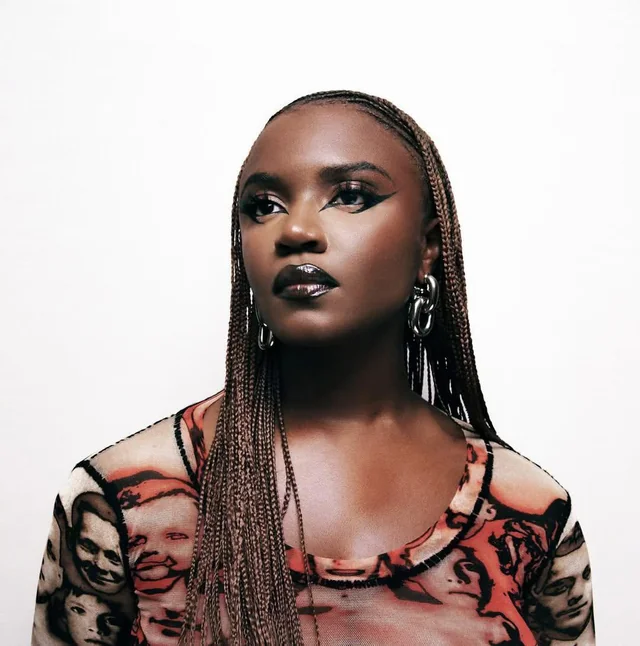
Known for her genre-blurring sound and fearless creativity, Amaarae has carved a name for herself on the global stage with hits like Sad Girlz Luv Money. Her recent acknowledgment adds a deeply personal layer to her public persona, positioning her as both a cultural force and an advocate for visibility in spaces where queer voices are often marginalized.
The timing is striking. Ghana continues to debate stricter anti-LBGTQ+ legislation, and conservative cultural attitudes dominate much of the public discourse. In this context, Amaarae’s openness is seen by many as an act of courage, a refusal to hide her identity despite the societal pressures surrounding it.
This isn’t the first time she has faced resistance at home. Earlier in her career, Amaarae revealed that her debut music video was banned on Ghanaian television for featuring transgender individuals—an early indication of the challenges she would confront while championing underrepresented communities through her art.
View this post on Instagram
For Amaarae, the mission goes beyond music. She has spoken about wanting to create art that allows those who feel unseen to experience belonging. “When I think about being African, queerness, and queer spaces, my mission and goal is to make people feel seen and protected,” she said in a previous interview.
Despite the debates her statement has stirred in Ghana, Amaarae’s global influence remains undiminished. She continues to challenge norms, exploring themes of African identity, womanhood, and sexuality through her music and visuals. For fans worldwide, her honesty stands as a testament to living and creating authentically—without apology.
Amaarae’s announcement is more than a personal revelation; it’s a statement of empowerment, visibility, and the enduring power of authenticity in art.