


When Flavour and Baaba Maal step into the same studio, magic is almost inevitable, and Afroculture is living proof.
From its very first beat, the record feels like an awakening, a pulse that draws you in with its blend of traditional percussion, spiritual chants, and cross-border energy.
It’s not just a song; it’s a dialogue between generations, between Nigeria and Senegal, between the past and the present.
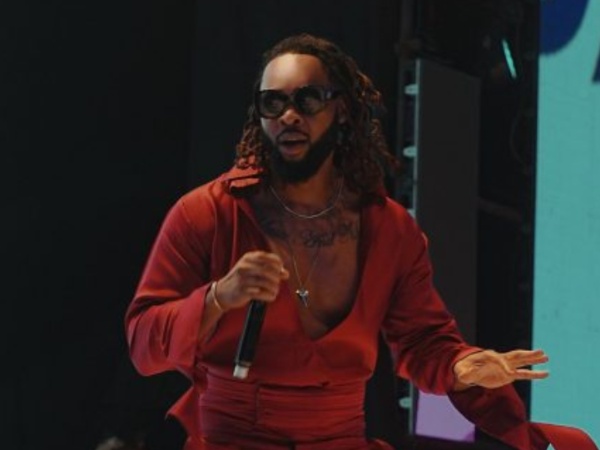
The track opens like a sunrise over the Sahel drums rolling, voices rising, and then Baaba Maal’s unmistakable call pierces through the rhythm.
Moments later, Flavour joins in with his warm, highlife tone, and suddenly, two worlds become one sound. Sung in Igbo, Pulaar, and English, their verses weave a story of identity, unity, and pride, a reminder that despite borders and languages, Africa’s heartbeat is collective.
The chorus soars with the kind of anthemic power only these two veterans can summon, bold, hopeful, and deeply spiritual. Flavour’s production is meticulous yet organic: the talking drums converse with guitar riffs, the harmonies breathe, and nothing feels forced.
There’s a sophistication to the arrangement that respects both artists’ roots while creating something refreshingly modern.
View this post on Instagram
Visually, TG Omori’s direction elevates Afroculture into an experience. The music video flows between the earthy textures of Senegal’s drum circles and the festive streets of Nigeria, drawing a vivid map of shared ancestry.
The choreography, a seamless blend of traditional and modern dance, tells its own story of continuity, of how movement and rhythm have always been languages of connection across the continent.
For Flavour, this collaboration feels like a return to purpose, a continuation of his lifelong mission to keep African highlife alive and evolving. For Baaba Maal, it’s another chapter in his decades-long journey of using music as a tool for unity and social consciousness.
View this post on Instagram
Together, they’ve crafted something that feels timeless, a song that belongs as much in a village festival as it does on a global stage.
In an era where Afrobeats often leans toward pop gloss, Afroculture stands tall as a reminder of the continent’s depth, proof that music can still carry memory, meaning, and magic. It’s rooted yet boundless, proud yet inviting.
When the final note fades, what lingers is not just the rhythm but the resonance, the feeling that you’ve just witnessed Africa speaking to itself, and to the world, in perfect harmony.
Listen to Afroculture HERE.